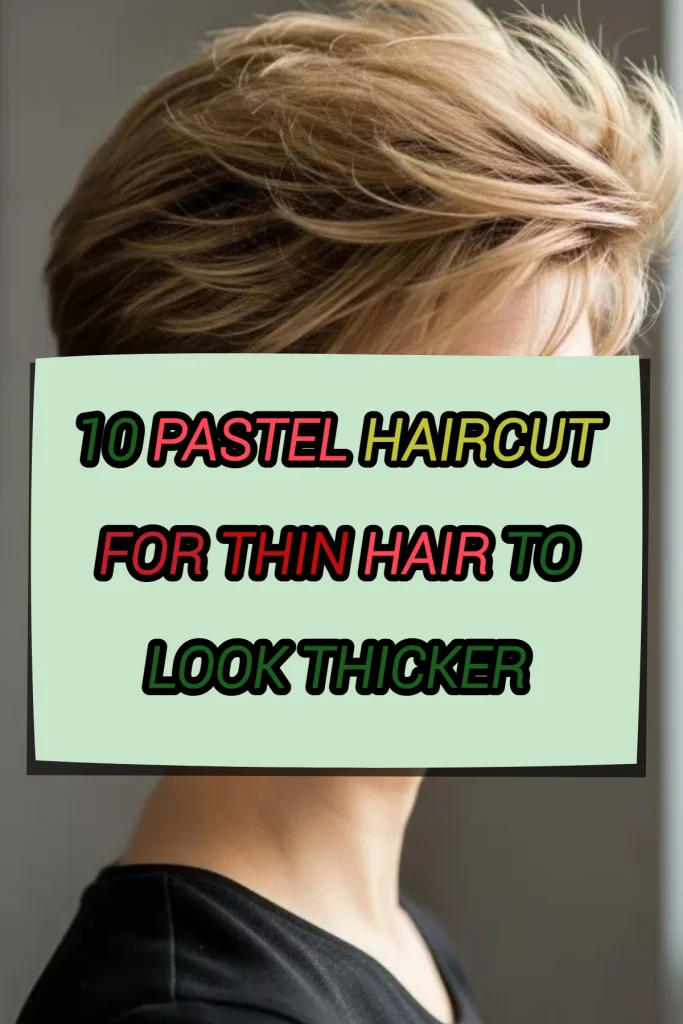
Thin hair can sometimes feel difficult to style because it often lacks volume and body. Many people struggle with flat, lifeless hair that doesn’t hold styles well or appears sparse, especially around the crown. However, the right haircut can make a dramatic difference. A well-chosen style can create the illusion of thickness, add movement, and give your hair a fuller, healthier appearance without requiring drastic treatments.

The key to making thin hair look thicker lies in understanding how shape, length, layering, and texture work together. Certain cuts remove excess weight that drags hair down, while others strategically add volume in the right places. In addition to choosing the right haircut, preparation and maintenance also play an important role. Using lightweight products, avoiding heavy conditioners, and styling with proper techniques can enhance the effect of your haircut.

This guide explores ten of the best haircuts for thin hair, each designed to maximize volume and create a fuller look. Alongside each haircut, you’ll find practical advice on preparation, styling tools, and products that help you get the most out of your chosen style. Whether you prefer short, medium, or long hair, there is a flattering option that can transform your look and boost your confidence.


1. Blunt Bob Haircut

A blunt bob is one of the most effective haircuts for making thin hair look thicker. This style is cut straight across without layers, creating a dense, solid edge that gives the illusion of fuller hair. Because there are no tapered ends, the hair appears heavier and more voluminous at the bottom.

Preparation is simple but important. Start with a volumizing shampoo and a lightweight conditioner, focusing only on the ends to avoid weighing down the roots. Before blow-drying, apply a root-lifting spray or mousse. Blow-dry using a round brush, lifting at the roots to create body.

Styling tools like flat irons can help maintain the sleekness of the blunt cut, but avoid over-flattening the hair. A slight inward bend at the ends enhances thickness. Dry shampoo can also be used at the roots to add texture and grip.

Maintenance is key with this haircut. Regular trims every 6 to 8 weeks keep the ends sharp and prevent thinning. Avoid heavy oils or creams, as they can make hair appear flat. With proper care, a blunt bob gives a clean, modern look while making thin hair appear significantly fuller.


2. Layered Lob (Long Bob)

The layered lob is a versatile haircut that adds movement and volume without removing too much density. Unlike heavily layered styles, this cut uses soft, strategic layers that create lift while maintaining fullness.

Preparation begins with selecting the right products. Use a thickening shampoo and a lightweight volumizing conditioner. Before styling, apply a volumizing mousse from roots to mid-lengths. Blow-dry with a round brush or use a diffuser to enhance natural texture.

A curling wand can be used to add loose waves, which make the layers more visible and give the illusion of thicker hair. Alternate the direction of curls to create a more natural, voluminous effect. Finish with a light texturizing spray rather than a heavy hairspray.

This haircut works well for people who want a balance between short and long hair. It requires moderate maintenance, with trims every 8 to 10 weeks. Avoid over-layering, as too many layers can make thin hair look even finer. When done correctly, the layered lob creates a soft, full-bodied appearance that is easy to manage.


3. Pixie Cut

A pixie cut is a bold yet highly effective option for thin hair. By removing length, this haircut concentrates volume at the top of the head, making the hair appear thicker and more textured.

Preparation for a pixie cut involves using lightweight styling products. Start with a volumizing shampoo and skip heavy conditioners. Apply a small amount of styling cream or mousse before blow-drying.

Blow-dry the hair using your fingers instead of a brush to create natural lift. A small amount of wax or pomade can be used to define sections and add texture, especially at the crown. Avoid using too much product, as it can weigh the hair down.

This haircut requires frequent trims, usually every 4 to 6 weeks, to maintain its shape. It is ideal for those who want a low-maintenance yet stylish look. The pixie cut enhances facial features while making thin hair appear fuller and more dynamic.


4. Textured Shag

The textured shag haircut is known for its layered, messy look that adds volume and movement. It works particularly well for thin hair because it creates dimension without relying on thickness.

Preparation includes using a lightweight shampoo and conditioner, followed by a sea salt spray or texturizing spray on damp hair. These products help create natural waves and volume.

Blow-dry with a diffuser or let the hair air dry for a more relaxed finish. You can also use a curling wand to enhance texture. Focus on creating uneven waves rather than uniform curls.

Maintenance involves regular trims to keep the layers fresh. Avoid smoothing products, as they can reduce the textured effect. The shag haircut is perfect for those who prefer a casual, effortless style while still achieving a fuller look.


5. Curtain Bangs with Medium Length Hair

Curtain bangs paired with medium-length hair can make thin hair look thicker by framing the face and adding volume around the front. This style creates the illusion of density without requiring heavy layering.

Preparation starts with using a volumizing shampoo and a light conditioner. Apply a root-lifting spray before blow-drying. Use a round brush to shape the bangs, directing them away from the face.

A blow dryer with a nozzle attachment helps control airflow and create lift at the roots. You can also use a curling iron to add soft waves to the rest of the hair, enhancing volume.

Regular trimming of the bangs is necessary to maintain their shape. Avoid oily products near the front, as they can make the bangs appear flat. Curtain bangs are a great way to add interest and fullness to thin hair without committing to a drastic haircut.


6. Choppy Bob

A choppy bob uses uneven layers and textured ends to create the appearance of thicker hair. This haircut adds dimension and movement, making it ideal for fine hair.

Preparation involves using a texturizing shampoo and a lightweight conditioner. Apply a volumizing mousse or spray before styling. Blow-dry using a round brush or your fingers for a more natural look.

A flat iron can be used to create slight bends in different directions, adding to the choppy effect. Finish with a texturizing spray to enhance separation and volume.

This haircut requires regular trims every 6 to 8 weeks. Avoid heavy styling creams, as they can reduce the textured appearance. The choppy bob is perfect for those who want a modern, edgy look while making their hair appear fuller.


7. Shoulder-Length Cut with Soft Layers

A shoulder-length haircut with soft layers is a classic choice for thin hair. It provides enough length for styling while adding gentle volume through subtle layering.

Preparation includes using volumizing products and avoiding heavy conditioners. Apply a heat protectant and a root-lifting spray before blow-drying.

Use a round brush to create lift at the roots and soft curls at the ends. A curling iron can also be used to add loose waves, which enhance the layered effect.

Maintenance involves trimming every 8 to 10 weeks. Avoid over-layering, as it can reduce density. This haircut is ideal for those who want a natural, elegant look with added volume.


8. Asymmetrical Bob

An asymmetrical bob features one side slightly longer than the other, creating visual interest and the illusion of thicker hair. This uneven structure adds depth and dimension.

Preparation starts with volumizing shampoo and lightweight conditioner. Apply a styling mousse before blow-drying. Use a flat iron to define the shape and create a sleek finish.

To enhance volume, lift the roots while drying and use a light texturizing spray. Avoid heavy oils, as they can flatten the hair.

Regular trims are essential to maintain the asymmetry. This haircut is ideal for those who want a stylish and unique look while making their hair appear fuller.


9. Long Hair with Face-Framing Layers

For those who prefer long hair, adding face-framing layers can create the illusion of thickness without sacrificing length. These layers add movement and prevent the hair from looking flat.

Preparation includes using lightweight volumizing products. Apply a root-lifting spray and blow-dry with a round brush to create volume.

A curling iron can be used to add waves, focusing on the layered sections. This enhances dimension and fullness. Avoid heavy conditioners and oils, especially near the roots.

Regular trims help maintain the layers and prevent split ends. This style is perfect for those who want to keep their long hair while adding volume and shape.


10. Feathered Cut

The feathered cut uses light, airy layers that create movement and volume. This style works well for thin hair because it avoids heavy layering while still adding texture.

Preparation involves using volumizing shampoo and conditioner. Apply a lightweight mousse before blow-drying. Use a round brush to lift the hair at the roots and create a feathered effect at the ends.

A blow dryer with a nozzle attachment helps control styling. You can also use a curling iron to enhance the feathered look. Finish with a light hairspray to hold the style without weighing it down.

Maintenance includes regular trims to keep the layers fresh. Avoid heavy styling products that can reduce volume. The feathered cut is ideal for those who want a soft, flowing hairstyle that makes thin hair appear fuller and more lively.


Leave a Reply

Your email address will not be published. Required fields are marked *