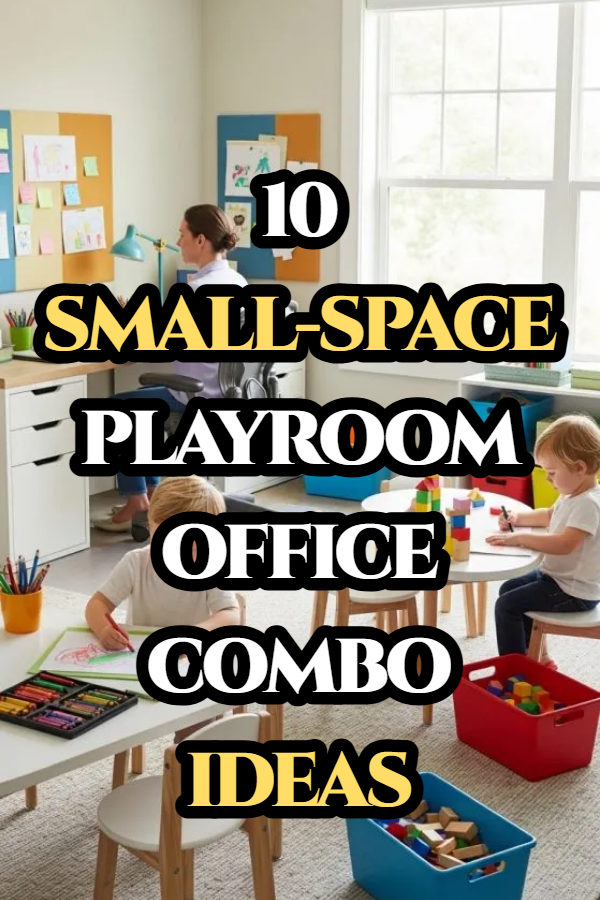
Creating a space that functions as both a playroom and an office can be challenging but incredibly rewarding. In today’s world, where remote work and flexible lifestyles are increasingly common, blending productivity with family life has become essential. Parents often struggle to find a balance between work responsibilities and keeping children engaged in safe, stimulating activities. A playroom office combo offers a practical solution, allowing adults to work efficiently while children enjoy a dedicated space for play, learning, and creativity.

Designing such a multifunctional space requires careful planning, attention to layout, and thoughtful selection of furniture, storage, and décor. The goal is to create an environment that encourages focus for adults and imaginative play for kids without feeling cluttered or chaotic. Comfort, safety, and accessibility are essential elements, as well as the use of versatile furniture and clever organizational strategies. In this post, we will explore ten creative and practical ideas for combining a playroom with a home office. Each idea includes preparation tips, materials needed, and ways to maximize functionality and aesthetics, ensuring your space is both productive and fun.


1. Zoning the Space with Furniture

One of the most effective strategies for a playroom office combo is zoning the area with furniture. Zoning creates clear boundaries between work and play, helping both adults and children understand their designated spaces. Begin by identifying the size of your room and the activities that will take place in each zone. For example, a desk and office chair can define the work area, while a rug, toy bins, or a low table can signal the play zone.

Use storage furniture as a dual-purpose boundary. Shelves, cabinets, or bookcases can act as room dividers while providing functional storage for office supplies and toys. This approach minimizes clutter and keeps materials accessible but organized. Choose furniture that complements both zones. Modular pieces or movable storage carts are especially useful, allowing you to reconfigure the room as needed.

When zoning, consider the flow of movement. Ensure pathways are clear and there is enough space for children to play safely without interfering with work. Add visual cues, like rugs or color-coded storage bins, to differentiate zones. Zoning effectively separates activities, making the room feel organized and purposeful.


2. Incorporating Multi-Functional Furniture

Multi-functional furniture is key to maximizing small spaces in a playroom office combo. Look for desks with built-in storage, fold-out tables, or benches that double as toy chests. These pieces serve multiple purposes without taking up extra square footage, which is especially important in compact homes. A desk with drawers can store office supplies and paperwork while the top can hold children’s activity materials during breaks.

Consider convertible furniture for children, such as foldable tables for crafts or modular seating that can transform into play structures. Multi-functional furniture reduces clutter, encourages organization, and creates a flexible environment where the room can quickly switch from work mode to play mode.

Quality is important, so select sturdy materials that can withstand the wear and tear of children’s activities while providing comfort and functionality for adults. Materials like solid wood, laminated surfaces, and durable fabric are practical choices. By carefully selecting versatile furniture, you can create a harmonious space that serves both purposes without compromising style or usability.


3. Effective Storage Solutions

Storage is a crucial element for any playroom office combo. Without proper storage, toys, books, and office supplies can quickly create chaos. Begin by assessing the types and quantities of items in the room. Use labeled bins, baskets, or drawer organizers to categorize materials. For example, separate office documents, stationery, and tech accessories from toys, art supplies, and books.

Vertical storage options like tall shelves or wall-mounted organizers help free floor space and create an uncluttered environment. Open shelving allows easy access for children while keeping frequently used office items within reach. Closed cabinets or drawers hide clutter and maintain a professional appearance in the workspace.

Rolling storage carts are particularly versatile, enabling adults to move office materials or children’s toys to different zones as needed. Consider under-desk storage for office essentials and under-bench storage for toys. The goal is to maintain a clean, organized, and functional environment where both work and play can coexist seamlessly.


4. Choosing Kid-Friendly Office Accessories

When designing a playroom office combo, incorporating kid-friendly office accessories helps ensure safety and engagement. Small chairs, low tables, and rounded-edge furniture prevent accidents while keeping the environment comfortable for children. Non-toxic materials and finishes are essential for children’s areas.

Add elements like color-coded folders, fun storage bins, and magnetic boards to make the office component interactive. These features can double as learning tools for kids, encouraging organization, creativity, and problem-solving. Comfortable seating for adults, such as ergonomic chairs, ensures that the workspace remains practical for long hours of work.

Technology should be integrated thoughtfully. Use cord organizers and cable covers to prevent hazards, and place devices on elevated surfaces away from small children. By blending functionality with child-friendly design, the office area becomes safe and practical while maintaining a playful atmosphere that children enjoy.


5. Utilizing Vertical Space

Vertical space is often underutilized in playroom office combos, yet it can significantly improve storage and organization. Wall-mounted shelves, pegboards, and hooks allow you to store office supplies and toys without occupying valuable floor area. This strategy maximizes usability in small or multi-purpose rooms.

For the office area, vertical file organizers, cork boards, or whiteboards provide efficient space for notes and reminders. In the play area, use wall-mounted bins or hanging baskets for toys and art supplies. This keeps materials accessible to children while maintaining a tidy environment.

Decorative elements can also be incorporated vertically. Educational posters, inspirational prints, or wall decals can create a stimulating environment for children while adding visual interest to the office area. By leveraging vertical space, you enhance functionality, maintain organization, and create a visually appealing dual-purpose room.


6. Flexible Lighting Options

Lighting plays a vital role in a playroom office combo. Proper lighting ensures productivity in the office area while creating a welcoming environment for children’s activities. Natural light is ideal, so position desks near windows if possible. Use sheer curtains to diffuse harsh sunlight while maintaining brightness.

Task lighting, such as adjustable desk lamps, is essential for focused work. In the play area, soft ambient lighting creates a comfortable atmosphere. Consider LED strip lights, floor lamps, or wall-mounted lamps that provide even illumination without glare. Dimmable options allow you to adjust the brightness based on activity, time of day, or mood.

Safety is another consideration. Avoid exposed cords or low-hanging lights that could be pulled down by children. Choosing energy-efficient and durable lighting ensures long-term functionality while supporting both work and play activities effectively.


7. Creating a Comfortable Floor Plan

A well-thought-out floor plan is essential in a playroom office combo. Begin by defining the work and play zones with rugs, furniture placement, or different flooring types. Ensure that children have enough open space to move, play, and interact safely without interfering with work areas.

Consider flow and accessibility. Adults should be able to reach their workspace without navigating around toys, while children can access play items without obstruction. Include seating areas where parents can supervise children comfortably while working.

Flexible floor plans allow for adjustments as children grow or as work needs change. Modular furniture, foldable tables, or movable storage carts help adapt the space. By carefully planning the layout, you create an environment that balances productivity and fun while maintaining safety and accessibility.


8. Incorporating Educational Play Elements

Blending educational elements into the playroom office combo adds value for children and allows parents to work with peace of mind. Incorporate learning stations, such as a small desk for reading, puzzles, or STEM activities. Interactive wall charts, magnetic boards, and art stations can engage children creatively.

Use storage solutions to organize educational materials, keeping books, learning games, and craft supplies accessible but tidy. Encourage independent play with age-appropriate activities that foster problem-solving, critical thinking, and creativity.

Integrating educational components also reduces distractions for adults. Children remain engaged in meaningful activities, making the dual-purpose room efficient. By designing a space that balances work and educational play, you support children’s development while maintaining productivity in your home office.


9. Designing a Relaxing Atmosphere

A relaxing atmosphere is important for both adults and children in a playroom office combo. Color choices, textures, and décor influence mood and productivity. Soft, neutral colors create a calm environment, while pops of bright color in the play area stimulate creativity.

Comfortable seating, such as cushioned chairs, floor pillows, or small sofas, encourages relaxation and focus. Incorporate soft rugs and cozy textiles to add warmth and reduce noise. Plants or natural elements can improve air quality and create a serene environment.

Sound management is also important. Consider rugs, curtains, or soft furnishings to reduce noise between zones. Creating a calm, inviting space supports work productivity and provides children with a comfortable area to play, learn, and explore without overstimulation.


10. Personalizing the Space

Personalization makes the playroom office combo feel unique and welcoming. Incorporate family photos, children’s artwork, or DIY décor projects to create a sense of ownership. Allow children to help decorate their play area, which fosters pride and engagement.

In the office area, personalize with tools, stationery, or décor that reflects your work style. Coordinated color schemes, themed storage, and decorative accents unify the dual-purpose space while maintaining a playful and professional balance.

Personalization also encourages a positive atmosphere. Children feel connected to their space, increasing engagement in activities, while adults enjoy a work environment that is comfortable and inspiring. Thoughtful personalization ensures that the combined room functions efficiently, remains organized, and reflects the personalities of all family members.


Leave a Reply

Your email address will not be published. Required fields are marked *