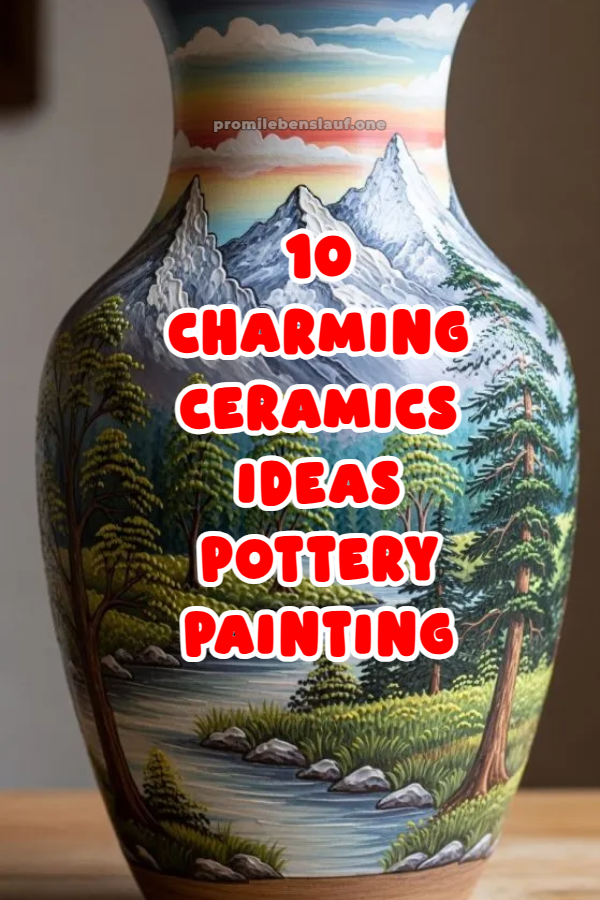
Pottery painting is a wonderful way to express creativity and add a personal touch to everyday items. Whether you are a beginner or an experienced artist, decorating ceramics allows you to explore colors, patterns, and textures in a tactile and rewarding way. From functional items like mugs and plates to decorative pieces such as vases and tiles, there are endless possibilities to explore.

Before starting, it is important to understand the basic materials and techniques involved. Pottery painting requires clean, bisque-fired ceramics, special ceramic paints or underglazes, brushes of various sizes, and sometimes stencils or masking tape for precision. The process also involves careful planning of your design, layering colors, and often applying a protective glaze before the final firing.

This blog post will guide you through ten creative ideas for pottery painting, providing step-by-step guidance, materials needed, and tips to achieve beautiful results. Each idea is designed to inspire creativity and encourage experimentation while keeping the process simple and accessible for everyone. By the end, you will have plenty of inspiration to start your own ceramic painting projects.


1. Floral Patterns

Floral patterns are timeless and versatile, suitable for mugs, bowls, vases, and tiles. To start, choose a ceramic piece with a smooth surface. Prepare your workspace with clean water, a palette for mixing paints, and fine brushes for detail work. Begin by sketching your flower design lightly with a pencil or a ceramic-safe marker.

Ceramic underglazes work well for flowers because they allow blending and layering of colors before firing. Use small brushes to paint petals, leaves, and stems carefully. For a more artistic effect, blend two or more colors within a petal to create depth and dimension. Allow each layer to dry before adding highlights or shadows.

After painting, you may choose to outline the flowers with a fine brush or leave them soft and blended. Once satisfied, apply a clear glaze to protect your artwork and give it a glossy finish. Fire your piece in a kiln according to the ceramic paintโ€™s instructions. Floral designs are forgiving, and slight imperfections often add charm, making this an ideal starting point for beginners.


2. Geometric Shapes

Geometric patterns bring a modern and structured look to ceramics. They work beautifully on plates, mugs, and decorative tiles. Begin by cleaning the ceramic surface and applying a light sketch of your design using a pencil. Use masking tape to create straight lines or stencils for perfect shapes.

Ceramic paints in bold or contrasting colors enhance the geometric effect. Small brushes or sponge applicators can help you fill in shapes evenly. You can mix colors for a gradient effect or stick to a uniform palette for a minimalist look.

Once all sections are painted, carefully remove masking tape to reveal crisp edges. Allow the piece to dry completely, then apply a clear glaze. Fire the piece in a kiln as instructed. Geometric designs are perfect for those who enjoy clean, repetitive patterns and can be adapted to any style, from Scandinavian minimalism to vibrant abstract arrangements.


3. Nature-Inspired Scenes

Painting natural landscapes or scenes on ceramics brings a calming and organic feel to your work. Ideal items include plates, vases, and large tiles. Start with a clean bisque-fired piece and gather a variety of brush sizes for detail work. Sketch your scene lightly with a pencil.

A nature-inspired painting can include mountains, forests, rivers, or sunsets. Layer colors to achieve depth, beginning with the background and moving to foreground details. For textures like leaves or rocks, use sponge techniques or stippling with a small brush.

After completing the painting, allow it to dry and apply a clear glaze to protect the artwork. Firing should follow the specific instructions for your ceramic paints. Nature-inspired scenes encourage creativity and experimentation with color blending and perspective, making them a satisfying project for beginners and experienced painters alike.


4. Abstract Designs

Abstract painting on ceramics allows you to focus on color, shape, and texture rather than realism. Start by selecting a smooth, bisque-fired piece and gather a palette of bright and neutral ceramic paints. Prepare brushes, sponges, or even palette knives for different effects.

Abstract designs can be created by layering colors, splattering paint, or using bold strokes and shapes. You can experiment with gradients, dots, lines, or swirls, letting your creativity guide the process. No two pieces will look the same, and this freedom encourages confidence in your artistic choices.

Once satisfied, let the piece dry, apply a clear glaze, and fire according to the paint instructions. Abstract ceramics are perfect for modern decor, and they make excellent gifts due to their unique, personalized appearance. This method is especially good for experimenting with color theory and learning how different textures interact on ceramic surfaces.


5. Animal Motifs

Animal-themed pottery is playful and can be adapted to realistic or cartoonish styles. Choose a ceramic mug, bowl, or plate as your canvas. Prepare your paints, brushes, and a fine pencil for sketching. Lightly draw the outline of your chosen animal.

Use underglazes for detailed features such as eyes, fur, or scales. For larger areas, broader brushes or sponge techniques can create smooth textures. Layer colors for depth, and highlight key areas with lighter shades. Animals like birds, cats, and elephants are popular choices, but mythical creatures can add a fun twist.

After painting, apply a clear glaze to seal the design. Fire the ceramic in a kiln according to instructions. Animal motifs are great for themed collections, gifts, or childrenโ€™s items. This project encourages attention to detail and provides an opportunity to learn blending techniques and fine brush control.


6. Personalized Text and Quotes

Adding words or quotes to pottery makes it highly personal and meaningful. Begin with a smooth, clean ceramic surface and decide on your text. Use a pencil to sketch the letters lightly. For beginners, printed stencils or transfer paper can help ensure neat lettering.

Ceramic paint markers or fine brushes are ideal for writing. Choose contrasting colors for readability and consider combining script with block lettering for style. Layer the paint if necessary and allow each stroke to dry to avoid smudging.

Once the text is complete, apply a clear glaze to protect your work and add a glossy finish. Fire the piece in a kiln according to paint instructions. Personalized ceramics are ideal for gifts, commemorative items, or home decor. They also allow you to practice precision, consistency, and creative layout design.


7. Ombre Effects

Ombre painting creates a gradient effect, blending colors from light to dark. Select a smooth ceramic piece and clean it thoroughly. Prepare at least two shades of a color or multiple colors for a more vibrant effect. Brushes or sponges can be used to blend the paint seamlessly.

Start by applying the lightest color at one end of the piece. Gradually add the darker shade while blending carefully to avoid harsh lines. You can use a dry brush or sponge to smooth the transition between colors. Ombre effects work well on mugs, bowls, and vases, giving a modern and elegant appearance.

Allow the paint to dry completely, apply a clear glaze, and fire according to instructions. This technique is great for experimenting with color mixing, layering, and blending, and it gives a professional finish without requiring intricate drawing skills.


8. Seasonal Themes

Seasonal pottery designs bring festive charm to any collection. Think pumpkins and leaves for autumn, snowflakes for winter, flowers for spring, or sun motifs for summer. Begin by choosing a ceramic item and sketching your seasonal design lightly with a pencil.

Use ceramic underglazes or paints to fill in colors. For small details, fine brushes are recommended, and sponges can help with textures like snow or foliage. Layer colors for depth and highlight areas with lighter shades to create dimension.

After painting, apply a clear glaze to seal and protect the design. Fire the piece in a kiln according to instructions. Seasonal pottery is perfect for decorating your home, gifting, or creating themed collections. It also encourages experimentation with patterns, textures, and color palettes appropriate for each season.


9. Doodle Art

Doodle art allows you to fill ceramics with whimsical patterns, small drawings, and intricate designs. Start with a smooth bisque-fired piece and gather fine brushes or ceramic paint pens. Sketch lightly if needed, or work freely without planning for a more spontaneous effect.

Common doodle motifs include stars, hearts, abstract swirls, geometric shapes, or tiny animals. Layering colors and using fine tips for detailed sections creates visual interest. You can also combine doodles with other techniques like text or florals to make the piece unique.

Once your doodle art is complete, apply a clear glaze to protect it and add shine. Fire according to paint instructions. This technique is perfect for developing precision, control, and creativity. It also allows for endless customization and fun experimentation with small-scale designs.


10. Metallic Accents

Adding metallic accents like gold, silver, or copper elevates ceramics with elegance. Choose a bisque-fired piece and clean it thoroughly. Use metallic ceramic paints or lusters applied with fine brushes or sponges. Masking tape can help create clean, geometric metallic sections.

Metallic accents work well for borders, patterns, lettering, or highlighting elements of other designs like florals or abstracts. Apply the metallic paint in thin layers to prevent unevenness. After drying, a clear overglaze may be applied, depending on the paint type, followed by firing according to instructions.

Metallic details transform ordinary ceramics into sophisticated pieces suitable for gifts or display. This technique encourages careful brush control, layering, and combining textures to create a luxurious and professional finish.


Leave a Reply

Your email address will not be published. Required fields are marked *