Back patios have become one of the most important extensions of modern living spaces, especially for those looking to combine comfort with outdoor functionality. In recent years, Pinterest ideas related to outdoor styling have gained strong attention because people want to transform simple patios into usable, attractive, and relaxing environments. A well-decorated back patio is no longer just an open outdoor area; it is now considered a functional space for dining, relaxation, entertaining guests, and enjoying quiet moments. This guide explores practical and creative approaches to designing a back patio that feels intentional, balanced, and visually appealing. The focus is on real-life application rather than abstract design concepts, making it suitable for beginners and homeowners working on budget ideas or DIY improvements.
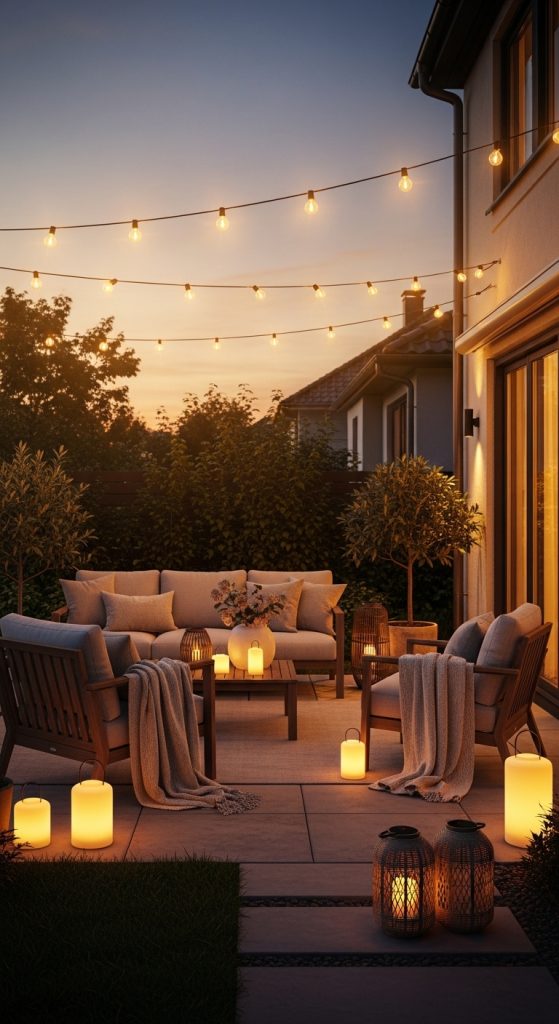
Throughout this article, readers will learn structured methods for improving outdoor spaces using thoughtful planning, layering of materials, and simple design adjustments. Each idea is designed to support different styles, from minimalist style arrangements to more detailed and cozy outdoor settings. Whether the goal is a modern design update or a handmade decorative approach, the content provides step by step inspiration that can be adapted easily. The purpose is to help transform any ordinary patio into a well-organized and visually engaging environment.
Why This Idea Is Trending or Useful
Back patio decorating has become one of the most searched Pinterest topics because outdoor living has gained importance in everyday life. People are increasingly interested in creating functional spaces at home that support relaxation without requiring major renovation. This trend is driven by the growing popularity of home decor improvements that focus on simplicity, comfort, and natural aesthetics. A well-designed patio allows individuals to extend their living space without significant construction costs, making it an accessible creative project for homeowners and renters alike.
Another reason this concept is trending is its flexibility. Back patio design can be adjusted based on space size, budget, and personal taste. From minimalist style layouts to more detailed decorative setups, the possibilities are wide and adaptable. It also supports DIY culture, where individuals prefer building or arranging elements themselves rather than purchasing fully designed outdoor sets. This creates opportunities for creativity using affordable materials and easy planning techniques. The growing interest in aesthetic outdoor environments, combined with practical functionality, makes back patio decorating a consistent and valuable inspiration source on Pinterest.
Materials and Preparation
Before starting any back patio decorating project, proper preparation is essential to ensure a smooth and structured process. The materials required depend on the design direction, but most setups include basic outdoor furniture, lighting elements, flooring enhancements, and decorative accessories. Common materials often involve weather-resistant seating options, cushions, rugs, planters, and lighting features. These elements help create comfort and visual balance while ensuring durability in outdoor conditions.
Tools may include measuring tape, cleaning supplies, simple assembly tools, and organizing containers for arrangement planning. Preparation also involves cleaning the patio area thoroughly, removing unnecessary items, and assessing available space. Understanding the layout is important before placing any decorative elements. Planning helps determine where seating zones, plant arrangements, and lighting features should be positioned for maximum functionality. It is also useful to define a theme beforehand, whether it is a modern design, rustic outdoor look, or minimalist arrangement. Having a clear direction ensures that all materials work together cohesively, resulting in a well-balanced and visually appealing patio setup.
Idea 1: Warm Lighting Ambience Patio Design
How to Create
Warm lighting is one of the most effective ways to transform a simple back patio into a welcoming and visually appealing outdoor space. This idea focuses on creating a soft and balanced glow that enhances the atmosphere during evening hours. Lighting plays a central role in shaping mood, and when used correctly, it can make even small patios feel spacious and comfortable. The key concept behind this design is layering different light sources to avoid harsh brightness while maintaining visibility. Soft illumination helps create a relaxed environment suitable for gatherings, reading, or quiet outdoor evenings. In Pinterest ideas for outdoor styling, lighting is often considered the foundation of aesthetic transformation because it enhances all other decorative elements. Whether the patio is designed in a modern design style or a more natural handmade setup, lighting brings cohesion and warmth to the entire space.
To create this setup, begin by planning lighting zones across the patio. String lights can be arranged overhead or along boundaries to define space softly. Lantern-style lighting or ground-level light placements can add depth to corners and seating areas. Solar-powered options are often used in budget ideas for outdoor decor because they require minimal installation. The process involves testing light placement during evening hours to adjust brightness and distribution. Materials should be weather-resistant to ensure durability. The final arrangement should balance functionality and aesthetics, ensuring that the patio remains both practical and visually inviting.
Execution Process
The execution of a warm lighting patio design begins with cleaning and clearing the outdoor area to allow a full view of available space. Once the layout is visible, the next step involves identifying focal points such as seating areas, pathways, or decorative corners. These points help determine where lighting should be concentrated. String lighting is typically installed first, as it forms the primary visual layer. It should be stretched evenly to avoid sagging or uneven spacing, ensuring a clean and structured appearance.
After overhead lighting is installed, secondary lighting elements are added at ground level or around furniture pieces. These can include small lamps or subtle accent lights that highlight specific areas without overwhelming the space. The goal is to create depth rather than uniform brightness. Testing different combinations during evening hours helps refine the final arrangement. Adjustments are made based on comfort and visibility. Once completed, the lighting setup becomes the foundation for additional decorative elements such as plants, seating, and rugs, enhancing the overall outdoor atmosphere.