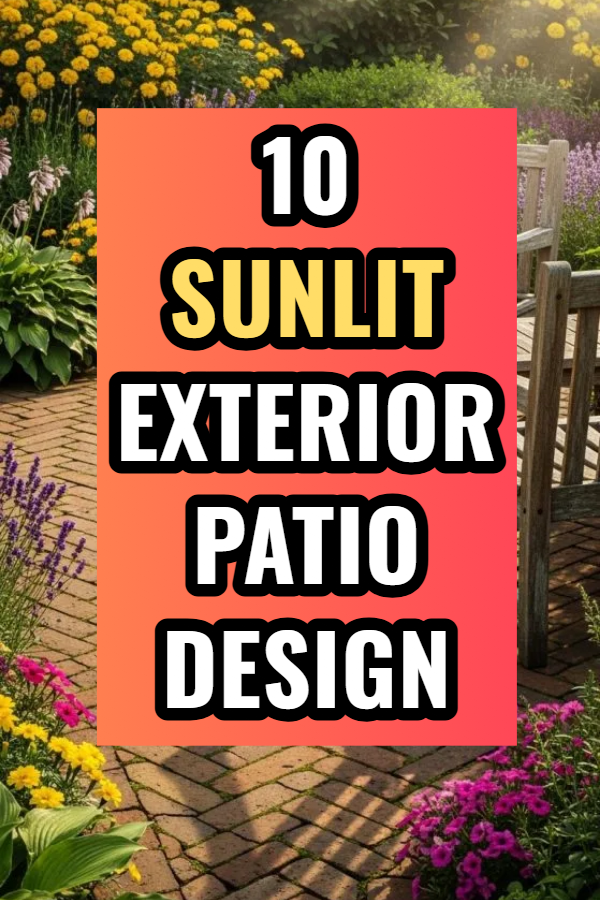
Creating an outdoor patio is an excellent way to expand your living space and enjoy nature from the comfort of your home. A well-designed patio not only adds beauty and value to your property but also provides a relaxing area for socializing, dining, or spending quiet moments alone. Whether your space is large or small, modern or traditional, there are countless design possibilities to suit your style and needs. The key to a successful patio is careful planning, selecting the right materials, and incorporating functional features that enhance both comfort and aesthetic appeal. This guide explores ten exterior patio design ideas, focusing on practical considerations, material choices, and preparation tips. Each idea is presented in a clear, structured format to help you envision and execute your perfect patio. By following these suggestions, you can create a versatile outdoor living space that complements your home, stands up to the elements, and provides a welcoming environment for family and guests.


1. Classic Stone Patio

A classic stone patio offers a timeless and durable outdoor space. Natural stones such as slate, granite, or limestone create a sturdy foundation while adding elegance to your backyard. The preparation process begins with clearing the area of grass, weeds, and debris, followed by leveling the ground. Next, a layer of crushed stone or gravel is laid to promote drainage and prevent shifting. Sand is then spread evenly to create a smooth base for the stones. When selecting stone, consider color, texture, and thickness to ensure it matches your homeโ€™s style and can withstand foot traffic. Stone patios can be arranged in patterns such as herringbone, circular, or random, allowing for creative design possibilities. Sealing the stones after installation helps protect them from stains, weathering, and erosion. Adding outdoor furniture, planters, and subtle lighting completes the inviting atmosphere. Classic stone patios are ideal for homeowners looking for a long-lasting and visually appealing outdoor area that combines practicality with aesthetic charm.


2. Wooden Deck Patio

Wooden decks bring warmth and natural beauty to your outdoor area. Popular wood choices include cedar, redwood, and pressure-treated pine, which offer durability and resistance to rot. Begin by preparing the site: clear the area, level the ground, and install a gravel or concrete base to prevent moisture buildup. Construct a sturdy frame using treated lumber and ensure it is properly anchored. Lay the deck boards evenly, leaving gaps for drainage and expansion. Wood patios require regular maintenance, including cleaning, sanding, and sealing to protect against weather and pests. You can enhance the deck with railings, built-in seating, and planters to create a cozy and inviting atmosphere. Wooden decks work well for elevated patios, providing a smooth transition from indoor to outdoor living spaces. They are especially suitable for homeowners who prefer a natural, rustic look and enjoy the tactile feel of wood underfoot. With proper care, a wooden deck patio can last for decades and offer a versatile space for gatherings, relaxation, and entertainment.


3. Concrete Patio

Concrete patios are highly versatile and cost-effective, offering a modern and clean appearance. Begin by clearing and leveling the site before installing wooden forms to hold the concrete in place. Pour a layer of gravel for drainage, followed by the concrete mixture. Smooth the surface with a trowel and create desired textures or patterns using stamping, scoring, or brushing techniques. Concrete can be stained, painted, or polished to match your design preferences. The benefits of a concrete patio include low maintenance, durability, and the ability to create custom shapes. Proper curing is essential to prevent cracks, and applying a sealant will enhance resistance to water, stains, and weathering. Concrete patios can easily accommodate furniture, grills, and decorative elements such as fire pits or water features. They are ideal for homeowners seeking a modern, minimalist design that combines functionality with longevity. Adding greenery around the edges softens the look and integrates the patio with the surrounding landscape.


4. Brick Patio

Brick patios offer a charming, rustic appeal with their warm, earthy tones. Preparation begins with removing existing soil and leveling the ground. A base of crushed stone is laid, followed by sand for leveling. Bricks are then arranged in patterns like herringbone, basket weave, or running bond. Proper spacing and alignment are crucial to prevent uneven surfaces. Filling the gaps with sand or polymeric sand locks the bricks in place and reduces weed growth. Bricks are highly durable and can withstand heavy foot traffic, making them a practical choice for high-use areas. They also age beautifully, developing a natural patina over time. Brick patios pair well with traditional and colonial-style homes, and they provide excellent traction in wet conditions. Adding outdoor seating, potted plants, or a pergola enhances the comfort and visual appeal of the space. Regular maintenance includes sweeping debris and occasional re-sanding to maintain stability. A brick patio offers a classic outdoor environment that is both functional and inviting.


5. Paver Patio

Paver patios provide flexibility in design, material, and color, allowing for unique layouts and patterns. Begin by excavating the site and installing a gravel base with proper compaction for stability. A sand layer is then spread and leveled. Pavers are laid in your chosen pattern, such as circular, basket weave, or staggered. Interlocking pavers lock together, minimizing movement and increasing durability. Advantages of paver patios include easy repair, as individual pieces can be replaced if damaged, and the ability to handle extreme weather conditions. Paver materials include concrete, stone, and brick, offering options to match any aesthetic. Installing edging restraints prevents shifting and maintains the patioโ€™s shape. Sealing the pavers protects against staining and enhances color. Paver patios are ideal for homeowners seeking a customizable, durable, and visually appealing outdoor area. They accommodate furniture, fire pits, and planters, making them suitable for both entertainment and relaxation spaces.


6. Gravel Patio

Gravel patios are affordable, easy to install, and provide excellent drainage. Begin by selecting a location with good sun exposure and removing existing grass or debris. Lay a weed barrier fabric to reduce unwanted growth, followed by a layer of compacted gravel or crushed stone. Choose gravel size and color that complement your outdoor design, such as pea gravel for a soft texture or larger stones for a rustic look. Gravel patios are low-maintenance and allow water to permeate naturally, preventing puddles. Adding furniture, garden beds, and lighting enhances comfort and aesthetics. They work well in informal settings, cottage gardens, or areas with uneven terrain. Gravel can be replenished as needed to maintain appearance, and borders of wood, stone, or metal keep it contained. The flexibility of gravel patios allows homeowners to easily expand or modify their outdoor space. They are an ideal choice for cost-conscious individuals seeking a natural and practical patio solution.


7. Rooftop Patio

Rooftop patios maximize space in urban environments and provide scenic views. Before construction, ensure your roof can support additional weight, and consult a structural engineer if needed. Waterproofing and proper drainage are critical to prevent leaks. Select materials that are lightweight yet durable, such as composite decking, pavers, or artificial turf. Use planters and container gardens to introduce greenery without overloading the structure. Rooftop patios are ideal for creating private retreats, outdoor dining areas, or entertainment zones. Adding railings, shade structures, and seating improves safety and usability. Rooftop patios require regular maintenance to protect surfaces and prevent water damage. They are perfect for apartment buildings or homes with limited ground space, offering a relaxing outdoor environment with minimal intrusion. A rooftop patio can become a stylish, functional extension of indoor living, combining urban convenience with outdoor enjoyment.


8. Patio with Fire Pit

A patio featuring a fire pit creates a warm and inviting gathering space. Begin by selecting a fire-resistant surface such as stone, brick, or pavers. Prepare the area by leveling and laying a solid base. Fire pits can be built-in or portable, using materials such as steel, stone, or concrete. Ensure proper clearance from structures, plants, and furniture to maintain safety. Surrounding seating can include built-in benches, chairs, or cushions for comfort. Lighting, planters, and decorative elements enhance the ambiance. Fire pit patios are ideal for year-round use, providing warmth during cooler months and a focal point for socializing. They combine functionality with visual appeal, creating a cozy outdoor retreat. Safety precautions, such as a fire extinguisher and supervision, are essential. This type of patio encourages relaxation, storytelling, and entertainment, making it a valuable addition to any backyard design.


9. Covered Patio

A covered patio offers protection from sun, rain, and wind, making it usable in all seasons. Preparation involves selecting the location and ensuring proper drainage. Structure options include pergolas, gazebos, or fully roofed designs using materials like wood, metal, or polycarbonate panels. Flooring can range from stone and pavers to concrete or decking. Covered patios provide shade, reduce maintenance on furniture, and extend the outdoor living season. Adding ceiling fans, lighting, and heaters enhances comfort. Covering also allows for hanging plants, curtains, or screens, creating privacy and aesthetic appeal. This type of patio is suitable for dining, entertaining, or quiet relaxation. It increases home value and creates a functional outdoor space regardless of weather conditions. With careful planning, a covered patio becomes a versatile extension of your homeโ€™s interior.


10. Modern Minimalist Patio

A modern minimalist patio emphasizes clean lines, simplicity, and functionality. Begin by clearing and leveling the space, choosing materials such as concrete, large-format pavers, or smooth stone for a sleek look. Limit decorative elements and focus on geometric patterns, monochromatic colors, and subtle textures. Furniture should be simple, with low profiles and neutral tones. Incorporating greenery in small planters or vertical gardens adds softness without cluttering the space. Lighting should be discreet, emphasizing pathways or architectural features. A minimalist patio is low-maintenance, visually calming, and perfect for contemporary homes. It encourages relaxation, meditation, and social gatherings in a peaceful environment. Accessories and decorations should be minimal, ensuring that the design remains clean and uncluttered. A modern minimalist patio combines elegance, practicality, and serenity, creating a stylish outdoor living area that enhances your homeโ€™s overall design.


Leave a Reply

Your email address will not be published. Required fields are marked *