Melted crayon heart projects are a popular creative direction in modern Pinterest ideas because they combine color blending, simple crafting methods, and expressive handmade design. This concept uses broken or whole crayons melted into heart-shaped forms, producing unique textures and layered color effects that cannot be replicated through traditional coloring methods. The process is widely used in DIY crafts, home decor accents, and beginner friendly art activities because it requires minimal tools while delivering visually striking results. It also supports creative exploration through color mixing, heat transformation, and shape control.
In this topic, readers will learn how to create different melted crayon heart variations, how to manage melting techniques safely, and how to use finished pieces for decoration or gifting. The focus is on practical execution, step by step methods, and creative inspiration that fits modern aesthetic and minimalist style preferences. These projects are suitable for home crafting sessions, school activities, and budget ideas where accessible materials are preferred.
Why This Idea Is Trending or Useful
Melted crayon heart designs have become widely shared across Pinterest ideas because they transform simple school materials into artistic decorative pieces. The visual appeal comes from the unpredictable blending of colors during the melting process, which creates a natural gradient effect. This aligns with modern home decor trends that value handmade, aesthetic, and organic-looking creative outcomes. The process also encourages experimentation, making it appealing for beginners who want easy project options without complex tools or advanced skills.
Another reason for its popularity is accessibility. Most households already have crayons, making this a budget friendly and easy project. It supports DIY culture by encouraging reuse of materials instead of purchasing specialized craft supplies. The technique also fits well into creative project planning for seasonal decorations, personalized gifts, and organization-based crafts. Its versatility allows it to be adapted into wall art, ornaments, or functional decor items.
Materials and Preparation
To begin melted crayon heart projects, the required materials are simple and widely available. The main material is crayons, preferably in multiple colors for better visual blending. A heart-shaped mold or cutter is needed to define the final shape. Heat application can be done using an oven or controlled heat tool, depending on the method chosen. Additional materials may include baking paper, protective surface covers, and basic tools for breaking crayons into smaller pieces.
Preparation involves sorting crayons by color groups if a structured design is desired or mixing randomly for abstract effects. The workspace should be protected from wax spills or stains. Planning the color arrangement inside the heart mold helps control the final aesthetic outcome. It is also important to ensure even distribution of crayon pieces so that melting occurs uniformly. Proper preparation improves both safety and the quality of the finished design.
Idea 1: Rainbow Melted Heart Gradient Art
How to Create
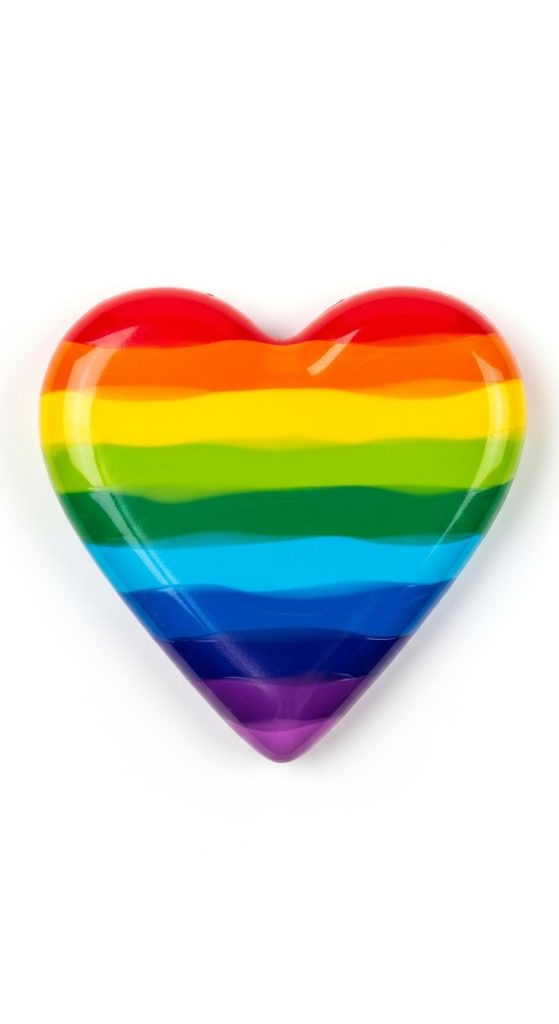
Rainbow melted crayon hearts focus on creating a smooth transition of colors from one side of the heart to the other. This design is widely used in Pinterest ideas because it produces a visually balanced gradient effect that resembles modern aesthetic art. The key concept is controlled color placement before melting, allowing each shade to blend naturally during heat exposure. The final result appears layered, vibrant, and visually soft, making it suitable for home decor displays or creative handmade gifts.
The process begins by selecting crayons in rainbow order and breaking them into small pieces. These pieces are placed inside a heart-shaped mold in a structured gradient sequence. Once arranged, the mold is gently heated until the crayons begin to melt and merge. Careful monitoring ensures that colors blend without overmixing. After cooling, the heart solidifies into a smooth gradient piece that reflects a seamless rainbow transition.
Execution Process
The execution requires attention to spacing and heat control. Crayon pieces should be evenly distributed to avoid color clustering. During heating, the wax softens and flows, naturally merging adjacent colors. This step is crucial for achieving a clean gradient effect rather than a muddy blend.
Once melted completely, the mold should be left to cool without movement to preserve the layered structure. After removal, the heart can be used as wall decor or part of a DIY creative project collection. This idea is beginner friendly and fits well into modern design themes.