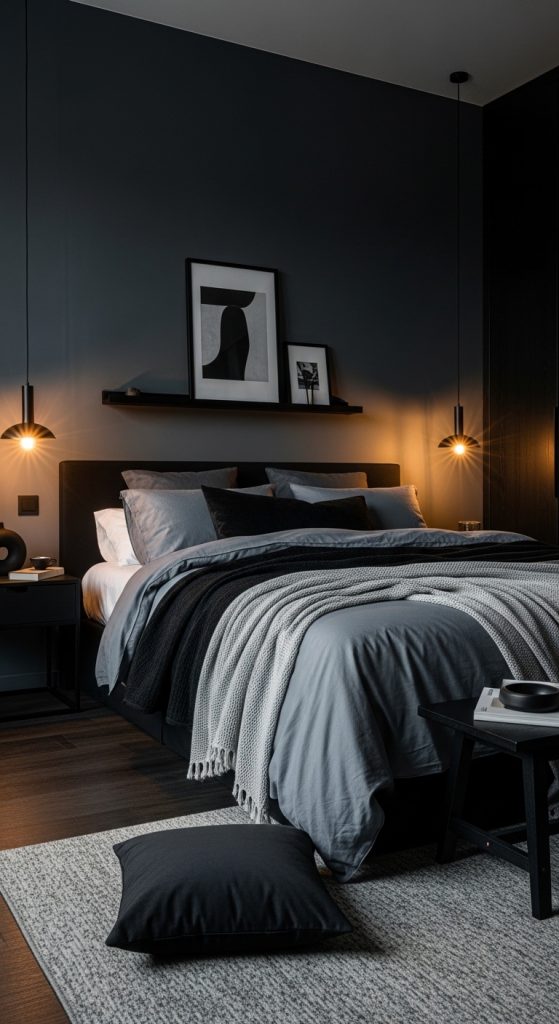
A moody bedroom aesthetic focuses on creating a calm, atmospheric, and visually grounded sleeping space through deeper tones, layered textures, and intentional lighting. This style has become one of the most saved Pinterest ideas because it transforms a simple bedroom into a space that feels personal, cinematic, and emotionally warm. Unlike bright minimalist interiors, a moody design uses depth, contrast, and softness together to create balance. It often combines dark or muted wall colors, textured fabrics, and controlled lighting to shape the mood of the room rather than relying on decorative excess. In this Pinterest-style tutorial, you will learn structured approaches to designing a moody bedroom aesthetic from scratch. The ideas are practical, beginner friendly, and adaptable for different room sizes and budgets. Each concept focuses on real methods used in modern interior planning, including layering techniques, color psychology, and material selection to help you build a cohesive and intentional space.
Why This Idea Is Trending or Useful
Moody bedroom aesthetics are trending across Pinterest ideas because they offer a strong balance between comfort and visual identity. Many modern homes now prioritize personal atmosphere over traditional decorative brightness, making darker, more grounded interiors increasingly popular. This design direction is also highly practical because it works well with simple materials and does not require expensive upgrades. A moody space can be achieved through paint changes, fabric layering, and lighting adjustments, making it accessible as a DIY tutorial approach for beginners. It also aligns with modern design preferences such as minimalist style, where fewer elements are used but each carries strong visual weight. The appeal also comes from its versatility. Whether a space is large or small, a moody aesthetic can be adjusted using tone control and texture balance. This flexibility makes it one of the most adaptable and creative ideas for home decor inspiration, especially for those seeking a refined yet expressive bedroom environment.
Materials and Preparation
Creating a moody bedroom aesthetic requires careful selection of materials that influence tone, texture, and lighting. Common materials include matte or satin wall paint in deep shades such as charcoal, forest green, or muted navy. Fabric choices play an equally important role, including linen, velvet, cotton blends, and woven textiles that help build depth. Lighting materials such as warm LED bulbs, adjustable lamps, and indirect light sources are essential for controlling ambiance. Furniture planning should focus on simple, grounded shapes that support the overall modern design direction. Before starting, it is important to evaluate the room’s natural light, wall condition, and existing color palette. This helps determine how dark or light the final composition should be. Planning also includes measuring wall space, identifying focal points, and organizing layout zones such as sleeping, reading, or storage areas. Proper preparation ensures the final result feels intentional rather than randomly assembled, which is key in achieving a cohesive Pinterest-style aesthetic.
Idea 1: Deep Charcoal Layered Comfort Bedroom
How to Create
A deep charcoal layered bedroom focuses on using a dark neutral base to create a visually grounded and emotionally calming environment. Charcoal tones work well because they absorb excess visual noise and allow textures and lighting to become the main design features. This idea is especially effective in modern design because it creates instant depth without requiring complex decoration. The key principle is layering different shades of dark neutrals such as charcoal, slate, and soft black while avoiding flat uniformity. Bedding, curtains, and rugs all contribute to this layered effect. The goal is to create a balanced space where darkness feels soft rather than heavy. This concept is widely used in Pinterest ideas because it delivers a strong aesthetic transformation using simple changes. It also supports minimalist style principles by reducing visual clutter while enhancing atmosphere. When done correctly, the room feels cohesive, grounded, and intentionally designed for comfort and relaxation.
The execution process begins with painting or selecting a charcoal-toned wall as the base. After that, bedding is layered using different textures such as cotton sheets, knitted throws, and velvet cushions in slightly varying dark shades. Materials should not match exactly; instead, they should complement each other through tonal variation. Lighting plays a crucial role, so warm lamps or indirect lighting sources should be placed strategically to soften the darker palette. Furniture selection should remain simple and functional, preferably in black, wood, or matte finishes. Decorative elements should be minimal but purposeful, such as a single artwork or textured wall piece. The entire setup should feel structured but not overcrowded. This DIY tutorial approach ensures that even beginners can achieve a refined moody bedroom aesthetic using accessible materials and step by step layering techniques.