Outdoor rug styling has become one of the most practical Pinterest ideas for transforming patios into structured, comfortable living spaces. An outdoor rug is a durable textile layer designed for exterior surfaces such as patios, balconies, terraces, and garden seating areas. It defines zones, adds visual balance, and improves comfort underfoot while enhancing the overall design of outdoor environments. In modern home decor, patios are no longer treated as secondary spaces. They function as extensions of indoor living areas, and outdoor rugs play a key role in creating this continuity. The right rug design can organize furniture layouts, soften hard flooring, and introduce color or pattern without permanent changes.
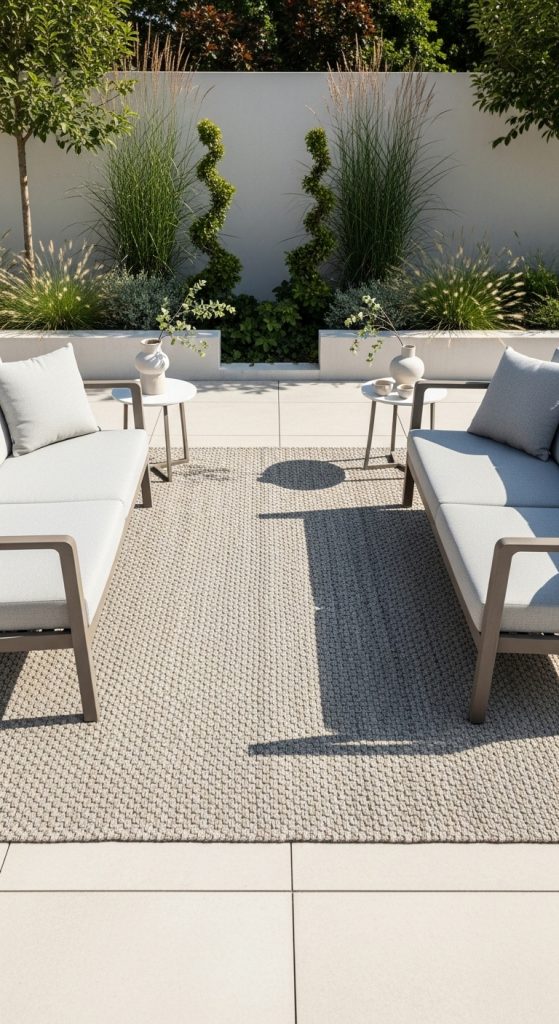
This article explores 10 outdoor rug patio ideas with detailed explanations and practical applications. Each idea focuses on how rugs influence layout, texture, and spatial harmony in different patio setups. Readers will learn how to choose placement strategies, layering techniques, and styling methods that improve both function and appearance. These concepts are designed for beginners and practical home users who want structured inspiration without complexity. The goal is to provide clear guidance on creating balanced outdoor environments using rugs as foundational design elements.
Why This Idea Is Trending or Useful
Outdoor rug patio styling is trending in Pinterest ideas because it offers an easy and non-permanent way to upgrade outdoor spaces. Many homeowners and renters look for flexible decoration methods that do not require structural changes, and outdoor rugs meet this need effectively. They allow instant transformation of plain patios into defined living zones suitable for dining, relaxation, or entertainment. This adaptability makes rugs an essential element in modern outdoor design approaches focused on simplicity and functionality.
The popularity of this concept is also connected to the rise of minimalist style and organized outdoor living. A well-placed rug creates visual structure, helping separate seating areas from walking paths or garden zones. This improves spatial clarity without adding physical barriers. Outdoor rugs also support DIY design approaches because they can be easily arranged, replaced, or combined with other elements such as cushions and furniture. Their accessibility in different sizes, textures, and patterns makes them suitable for budget ideas and creative styling experiments. This flexibility has made them a consistent feature in trending ideas for home decor and outdoor organization.
Materials and Preparation
Before styling outdoor rugs on a patio, proper preparation ensures balanced layout and long-term usability. The primary material is the outdoor rug itself, which should be selected based on durability, weather resistance, and size compatibility with the patio space. Additional materials include outdoor furniture pieces such as seating sets, tables, and decorative elements that define the functional zones of the area. Lightweight cushions and neutral-toned accessories can also support visual balance when placed on or around the rug. The goal is to create a coordinated outdoor setup where each element contributes to a unified composition.
Tools and preparation steps focus on measurement and spatial planning. A measuring tape is essential to determine patio dimensions and ensure the rug fits proportionally within the layout. Chalk or temporary markers can help outline placement before positioning the rug permanently. Cleaning the patio surface is also necessary to ensure proper placement and stability. Planning considerations include identifying focal points such as seating arrangements or dining zones and aligning the rug accordingly. This preparation stage is important for achieving a structured and intentional outdoor design that supports both aesthetic and functional goals.
Idea 1: Centered Seating Zone Rug Layout
How to Create
The centered seating zone rug layout focuses on placing an outdoor rug directly beneath a complete seating arrangement to establish a defined social area on the patio. This design concept creates a visual anchor that organizes furniture into a cohesive group, making the outdoor space feel intentional and structured. The rug acts as a foundation that ties together chairs, sofas, or benches, ensuring that all seating elements are visually connected. This approach is widely used in modern design because it transforms open patios into functional living zones without requiring physical partitions. It works well in both small and large outdoor areas, especially when the goal is to create a balanced and inviting gathering space.
To implement this layout, the first step involves measuring the seating arrangement and selecting a rug large enough to extend slightly beyond the furniture edges. The rug is placed centrally, ensuring that all front legs of seating pieces rest on its surface to create stability and cohesion. Furniture is then arranged symmetrically around the rug’s center point. Accessories such as side tables or planters can be added to reinforce the structure. This setup method ensures that the rug becomes the visual and functional core of the patio design while maintaining a clean and organized appearance.
Execution Process
The execution of this layout requires careful alignment and proportion control. The rug must be positioned before placing furniture to ensure accurate centering. Once placed, seating is arranged based on balance rather than random positioning. Equal spacing between furniture pieces maintains harmony and prevents overcrowding. This method supports clear circulation paths around the seating zone, ensuring the patio remains functional and accessible.
During final adjustments, minor shifts in furniture placement help refine symmetry. The rug should remain flat without folds or misalignment to preserve its structured appearance. This layout is commonly featured in Pinterest ideas because it delivers a simple yet highly effective way to organize outdoor spaces. It is especially useful for beginners seeking easy project solutions for home decor and patio organization without complex installation requirements.