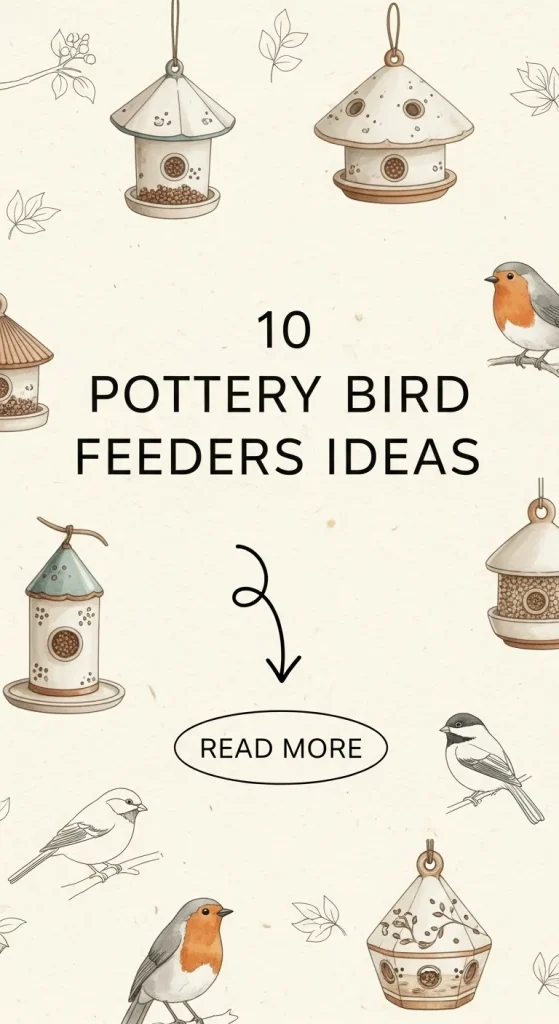
Bird feeders made from pottery are a beautiful and functional way to attract birds into your garden or outdoor space. Unlike plastic or metal feeders, pottery feeders bring a natural, earthy charm that blends well with plants, trees, and outdoor décor. They are also durable, customizable, and can be shaped into a wide variety of creative designs. Whether you are an experienced potter or a beginner exploring a new hobby, making pottery bird feeders can be both rewarding and relaxing.
Creating your own bird feeder allows you to control the design, size, and functionality. You can experiment with textures, colors, and shapes while also ensuring that the feeder is safe and comfortable for birds. Pottery feeders can be designed for different types of birds, depending on feeding habits and preferences. Some feeders are ideal for seeds, while others can hold water or nectar.
In this blog post, we will explore ten unique pottery bird feeder ideas. Each idea includes details about materials, preparation steps, and practical tips. The language is simple, making it easy for anyone to follow along. Whether you want to decorate your garden, gift something handmade, or simply enjoy watching birds, these ideas will help you get started with confidence.
1. Classic Bowl Bird Feeder
The classic bowl bird feeder is one of the easiest and most practical pottery designs. It involves shaping a simple, wide bowl that can hold birdseed or water. This design is perfect for beginners because it does not require complex techniques.
To make this feeder, you will need clay, a pottery wheel or hand-building tools, water, and a kiln for firing. Start by forming a shallow bowl with slightly raised edges. The edges should not be too high, as birds prefer easy access. Make sure the surface is smooth to prevent injury to birds.
Before firing, create small drainage holes at the bottom. These holes prevent water from collecting during rain. After the first firing, you can apply a glaze. Choose non-toxic, weather-resistant glaze to ensure safety for birds.
Once finished, attach a sturdy rope or metal chain for hanging. You can also place the bowl on a stand in your garden. This feeder works well for a variety of birds and is easy to clean and refill regularly.

2. Hanging Cup Feeder
A hanging cup feeder is another simple yet elegant pottery idea. It resembles a teacup or small container suspended by strings or wires. This design is ideal for small birds like sparrows and finches.
Start by shaping a cup with a wide opening and a slightly thick base. The thickness ensures durability during outdoor use. While the clay is still soft, create three or four evenly spaced holes near the rim. These holes will hold the hanging cords.
After drying and firing the cup, apply a glaze that is safe and waterproof. Bright colors can attract birds, but natural tones also blend beautifully with outdoor settings.
Use strong twine, rope, or metal wire to hang the feeder. Make sure the cords are balanced so the cup hangs evenly. Fill it with seeds or grains, and hang it from a tree branch or hook.
This feeder is easy to make and adds a decorative touch to your garden. Its compact size also makes it suitable for small outdoor spaces like balconies.

3. Tiered Pottery Feeder
A tiered bird feeder offers more feeding space and attracts multiple birds at once. It consists of two or three stacked pottery plates or bowls connected vertically.
To create this feeder, you will need multiple clay pieces shaped into shallow dishes. Each dish should be slightly different in size, with the largest at the bottom. After shaping, allow the pieces to dry and then fire them in a kiln.
Drill or create holes in the center of each dish before firing. These holes will allow you to insert a metal rod or strong wire to hold the tiers together. After glazing and firing, assemble the feeder by stacking the dishes with small gaps between them.
The tiered design allows birds to feed at different levels, reducing competition. It also provides a visually appealing structure that stands out in any garden.
Place the feeder on a stand or hang it securely. Regular cleaning is important to keep it safe for birds. This design is ideal for people who want both functionality and a decorative centerpiece.

4. Pottery Jar Feeder
The pottery jar feeder is a creative design that combines storage and feeding in one structure. It uses an inverted clay jar that slowly releases seeds into a tray below.
Begin by shaping a medium-sized jar with a narrow neck and a wider body. Also create a separate shallow tray. The jar will sit upside down over the tray, allowing seeds to flow gradually.
Before firing, make a small opening near the neck of the jar. This opening controls the flow of seeds. After firing and glazing, assemble the jar and tray using a strong adhesive or by designing them to fit together.
This feeder reduces the need for frequent refilling, as the jar holds a larger amount of seed. It also protects the seeds from rain and wind.
Hang or mount the feeder in a stable location. Make sure it is easy to refill and clean. This design is slightly more advanced but offers great functionality and efficiency.

5. Wall-Mounted Pottery Feeder
A wall-mounted feeder is perfect for small spaces or urban homes. It attaches directly to a wall, fence, or balcony railing.
To create this feeder, shape a shallow dish with a flat back. The back should be thick and strong enough to support the feeder when mounted. You can also add decorative textures or patterns to enhance its appearance.
Before firing, create holes or grooves in the back for mounting screws or hooks. After firing and glazing, attach the feeder securely to a wall using appropriate hardware.
This feeder is easy to access for refilling and cleaning. It also provides a stable feeding platform for birds. You can place it near a window to enjoy bird watching from inside your home.
Choose a glaze that is weather-resistant and easy to clean. This design is practical and space-saving, making it a great option for beginners and experienced potters alike.

6. Pottery Bottle Feeder
The pottery bottle feeder is inspired by traditional bird feeders but made entirely from clay. It uses a bottle-like structure to store seeds and dispense them slowly.
Start by shaping a tall, hollow bottle with a narrow neck. Also create a base tray where seeds will collect. The bottle should have small openings near the bottom to allow seeds to flow out.
After drying and firing, glaze both pieces with a non-toxic finish. Assemble the bottle and tray so that the bottle stands upright on the tray.
This design keeps seeds protected from weather and reduces waste. Birds can feed from the tray while seeds are gradually replenished from the bottle.
You can hang the feeder or place it on a stand. Make sure it is stable and easy to refill. This feeder is both functional and visually appealing, making it a great addition to any garden.

7. Decorative Sculptural Feeder
A sculptural feeder combines art and functionality. It can be shaped into animals, flowers, or abstract forms while still serving as a bird feeder.
To create this feeder, use hand-building techniques to sculpt your desired design. Incorporate a shallow dish or cavity where seeds can be placed. Ensure that the feeding area is accessible and safe for birds.
After shaping, allow the sculpture to dry completely before firing. Apply a glaze that enhances the design while remaining safe for birds.
This feeder is more about creativity and personal expression. It can serve as a focal point in your garden. While it may take more time and skill, the result is a unique piece that reflects your artistic style.
Make sure the feeder is stable and easy to clean. Avoid sharp edges or narrow spaces that could harm birds.

8. Pottery Hanging Ring Feeder
The hanging ring feeder is a simple yet modern design. It consists of a circular clay ring with small indentations to hold seeds.
To make this feeder, roll clay into a thick coil and shape it into a ring. Smooth the surface and create small depressions along the ring where seeds can sit.
Before firing, add holes at the top for hanging cords. After firing and glazing, attach a rope or chain and hang the feeder in your garden.
This design allows birds to perch around the ring and feed comfortably. It also provides a 360-degree feeding area, making it suitable for multiple birds.
The ring feeder is lightweight and easy to maintain. It is a great option for those who prefer a minimalist and modern look.

9. Birdhouse Feeder Combination
A birdhouse feeder combines shelter and feeding in one structure. It provides birds with a place to rest while also offering food.
To create this design, build a small pottery house with an open front or side. Add a feeding tray at the base. Ensure that the structure is well-ventilated and safe for birds.
After shaping, dry and fire the piece. Apply a glaze that is durable and weather-resistant. Avoid using toxic materials.
This feeder is more complex but highly rewarding. It attracts birds and encourages them to stay longer in your garden.
Mount the birdhouse securely on a tree or pole. Regular cleaning is important to maintain hygiene and prevent disease.

10. Leaf-Shaped Pottery Feeder
The leaf-shaped feeder is a natural and elegant design that blends beautifully with outdoor surroundings.
To make this feeder, roll out clay into a flat sheet and cut it into a leaf shape. Use tools to add veins and texture for a realistic look. Slightly curve the edges to create a shallow bowl.
Before firing, add small holes for drainage and hanging. After firing and glazing, attach cords or place the feeder on a flat surface.
This feeder is lightweight and decorative. It is ideal for small birds and adds a touch of nature to your garden.
Choose earthy tones or green glazes to enhance the leaf appearance. This design is simple yet visually appealing, making it a favorite among pottery enthusiasts.