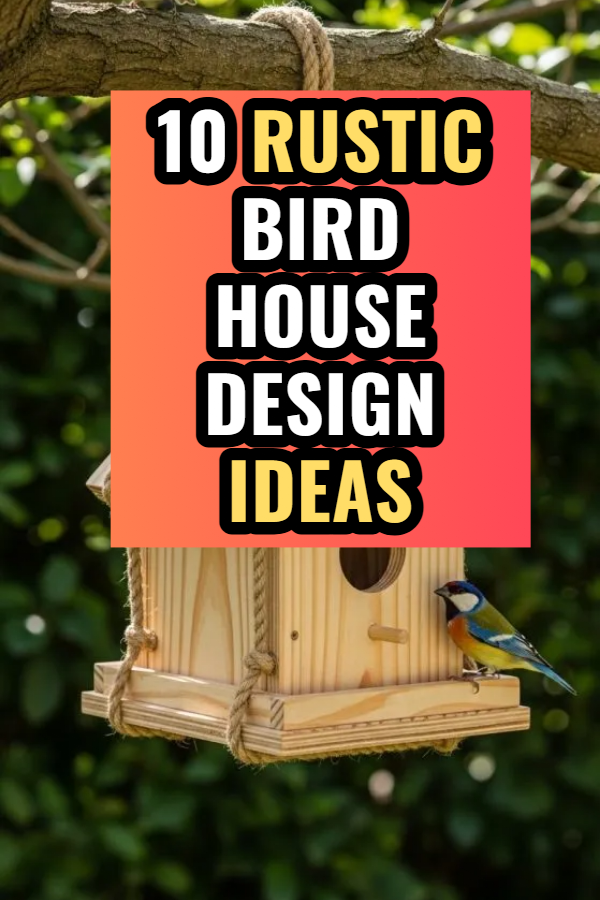
Providing a safe and comfortable home for birds in your garden or backyard is a rewarding and educational experience. Birdhouses not only attract birds, enhancing the natural beauty and biodiversity of your outdoor space, but they also help support bird populations by offering shelter and nesting sites. Building a birdhouse can be a creative project for people of all ages, from simple designs for beginners to more advanced structures for experienced DIY enthusiasts. Choosing the right design, materials, and placement is essential to ensure the safety and comfort of the birds.
When planning a birdhouse, consider factors like the type of birds you want to attract, the climate in your area, and the durability of the materials used. Wood is the most popular choice because it is natural, breathable, and easy to work with. Additionally, knowing how to prepare the materials, assemble the birdhouse, and maintain it over time will increase the chances of birds using it successfully. In this guide, we will explore ten creative birdhouse designs, detailing the materials, preparation steps, and useful tips for each, making it easy to choose a project that fits your skills and garden needs.
1. Classic Wooden Box Birdhouse
The classic wooden box birdhouse is a simple and timeless design suitable for a variety of bird species, including bluebirds, chickadees, and sparrows. To build this type of birdhouse, you will need untreated softwood, like cedar or pine, a saw, nails or screws, and wood glue. Softwood is preferred because it is easy to cut, weather-resistant, and safe for birds.
Start by cutting the wood panels according to the desired size. A typical small birdhouse is about 6 inches wide, 6 inches deep, and 8 inches tall. Make sure to include a small entrance hole, usually 1 to 1.5 inches in diameter, to allow birds to enter while keeping predators out. Assemble the sides, base, and roof using nails or screws, ensuring all edges are smooth to prevent injuries. Avoid painting or using chemical-treated wood, as this can be harmful to birds.
For placement, mount the birdhouse on a post or tree at least 5 to 10 feet above the ground. Ensure it faces away from prevailing winds and receives partial shade during the day. Regularly clean the birdhouse to prevent disease and parasites. This design is easy to customize with small decorations or engraved patterns without affecting its function.

2. Gabled Roof Birdhouse
The gabled roof birdhouse offers extra protection against rain and snow with its slanted roof design. This design requires basic carpentry skills and materials such as cedar planks, wood screws, sandpaper, and non-toxic wood sealant. The gabled roof helps water run off easily, keeping the interior dry and comfortable for birds.
To build this birdhouse, cut the wooden panels for the front, back, sides, floor, and roof. The front panel should include a small entrance hole suitable for your target bird species. Assemble the box first, then attach the two roof panels at an angle to form a peak. Smooth all edges and corners to prevent injuries. Apply a non-toxic sealant to increase weather resistance while keeping the wood safe for birds.
Place the birdhouse in a location that offers shelter from direct sunlight and strong winds. Mounting it on a pole or hanging it from a sturdy tree branch are both good options. The gabled roof design is particularly suitable for areas with heavy rainfall, as the angled roof prevents water accumulation. Cleaning access can be added by including a removable panel at the back or side, making maintenance easier.

3. Multi-Compartment Birdhouse
A multi-compartment birdhouse is perfect for attracting small flocks or families of birds, such as wrens or finches. This design consists of several small connected boxes, each with its own entrance, providing separate nesting spaces while keeping birds close together. Materials include plywood, screws, hinges for removable panels, and sandpaper.
Start by constructing individual boxes with a floor, walls, and entrance hole. Once complete, attach the boxes side by side or in a stacked formation. Ensure there is enough space between compartments for birds to move safely. Sand all surfaces thoroughly to avoid sharp edges. A removable panel on each compartment will allow easy cleaning at the end of the nesting season.
Position the multi-compartment birdhouse on a sturdy post or fence, ideally 5 to 10 feet above the ground. Make sure it faces a direction with some protection from wind and sun exposure. This design is both functional and visually appealing, allowing you to observe multiple bird families simultaneously. Regular cleaning and monitoring will ensure that birds continue to use the compartments year after year.

4. Hanging Birdhouse
A hanging birdhouse is a lightweight design that can be suspended from tree branches or hooks, making it a flexible option for gardens with limited space. This style requires thin wooden panels or recycled materials, such as sturdy cardboard or bamboo, rope, and nails. Hanging birdhouses often appeal to smaller bird species like finches and wrens.
Begin by constructing a small box with an entrance hole appropriate for your target species. Drill or carve holes at the top corners to thread a durable rope or chain for hanging. Make sure the rope is strong enough to support the weight of the birdhouse and withstand weather conditions. Smooth all edges and corners to prevent harm to birds.
Hang the birdhouse at a height of 6 to 10 feet from the ground in a shaded area. Ensure it swings minimally to reduce stress for nesting birds. This design is easy to move, allowing you to adjust the location according to sunlight, predator activity, or seasonal changes. Regular maintenance, such as cleaning and checking the rope for wear, will keep the hanging birdhouse safe and inviting for birds.

5. Modern Minimalist Birdhouse
Modern minimalist birdhouses feature sleek, clean lines and simple geometric shapes, often appealing to homeowners seeking a contemporary garden aesthetic. Materials like untreated plywood, natural wood veneers, or even recycled plastic can be used. This design focuses on functional simplicity rather than ornate decoration.
Cut a rectangular or square box and include a round or oval entrance hole. Ensure all edges are sanded and smooth. A flat or slightly angled roof allows rainwater to drain while maintaining a modern look. Assembly can be done with screws or wood glue. Optionally, you can add a small perch below the entrance, but it is not necessary as many birds prefer entering directly.
Mount the minimalist birdhouse on a post, wall, or tree branch. Placement in a quiet area with partial sunlight is ideal. This design is easy to customize with wood stains or natural finishes that blend with the surrounding landscape. Despite its simplicity, it remains functional and protective for birds, making it a practical and stylish choice for modern gardens.

6. Log Birdhouse
A log birdhouse provides a natural, rustic appearance, blending seamlessly into wooded areas or natural gardens. It can be made from a hollowed-out log or a solid log with a drilled cavity. Materials include untreated wood logs, a drill, and sandpaper. This design attracts species that prefer natural tree cavities, such as nuthatches and chickadees.
Select a log that is durable and free from rot. Drill a hole large enough for the target bird species and carve out the inside to create a small nesting cavity. Smooth the interior and entrance to prevent injury. You can attach a small wooden roof or leave the log as-is, depending on the weather protection required.
Position the log horizontally or vertically on a tree trunk, post, or stand. Ensure it is stable and secure to prevent it from falling. Log birdhouses are low-maintenance, durable, and visually appealing, providing birds with a natural-feeling home. The unique design makes it a focal point in gardens while offering excellent shelter and insulation for nesting birds.

7. Recycled Materials Birdhouse
Using recycled materials to create a birdhouse is both environmentally friendly and creative. Items like old wooden crates, tin cans, or plastic containers can be transformed into functional bird shelters. Tools may include a drill, screws, sandpaper, and non-toxic paint or sealant.
Choose a sturdy container and ensure it is clean and safe for birds. Drill an entrance hole suitable for the bird species. Smooth sharp edges to prevent injury. Add ventilation holes on the sides or back to maintain airflow inside the birdhouse. If using metal or plastic containers, paint or cover them with natural materials to prevent heat buildup.
Place the birdhouse in a sheltered, partially shaded location, away from predators. Regularly check for wear and clean as needed. This approach encourages creativity and resourcefulness, giving old materials new life while providing birds with safe nesting spaces. Recycled material birdhouses are cost-effective and customizable to match the gardenโs style.

8. Butterfly Roof Birdhouse
The butterfly roof birdhouse is a unique design featuring an asymmetrical roof resembling butterfly wings. This design adds visual interest to your garden while offering excellent rain protection. Materials include plywood, nails or screws, sandpaper, and a waterproof sealant.
Construct the main box first, including an entrance hole for birds. Cut two roof panels at different angles to create the butterfly effect and attach them securely. Ensure the roof overhang protects the entrance from rain. Sand all edges and apply a non-toxic sealant to weatherproof the birdhouse.
Mount the birdhouse on a post or fence in a quiet area with partial sun and wind protection. This design attracts small garden birds while enhancing the aesthetic appeal of outdoor spaces. Itโs functional, creative, and relatively simple to build, offering a fun project for DIY enthusiasts interested in combining practicality with artistic design.

9. Roofed Porch Birdhouse
The roofed porch birdhouse includes a small overhang or porch at the entrance, offering extra protection and a landing space for birds. Materials needed are untreated softwood, nails, screws, sandpaper, and wood sealant. This design is suitable for small birds like sparrows and chickadees.
Construct the main box with an entrance hole, then add a small porch platform below the opening. Attach a slanted roof extending over both the box and porch to shield birds from rain. Sand all edges thoroughly, and seal the wood with a non-toxic product to improve durability. Ensure that the porch does not extend too far, which could make it easier for predators to reach the nest.
Place the birdhouse 5 to 8 feet above the ground, facing away from prevailing winds and direct sunlight. This design combines practicality and decorative appeal, giving birds an accessible landing spot and extra shelter. Regular maintenance, including cleaning and checking for damage, will keep the birdhouse functional year after year.

10. Artistic Themed Birdhouse
Artistic themed birdhouses allow creativity and imagination to flourish while providing safe nesting spaces. Materials vary widely and can include wood, ceramic, or even recycled items. Tools such as paintbrushes, sandpaper, and non-toxic paint are commonly used.
Design your birdhouse to reflect a theme, such as a miniature cottage, castle, or whimsical shape. Focus on creating a safe interior with a proper entrance hole and smooth edges. Ensure that decorations do not interfere with birdsโ access or safety. Weatherproof the exterior using non-toxic sealant or paint suitable for outdoor use.
Mount the birdhouse in a quiet, partially shaded location, ideally 5 to 10 feet off the ground. Artistic birdhouses make outdoor spaces unique while serving a functional purpose. They can also inspire children and adults to engage in creative projects that benefit local wildlife. Proper placement and maintenance ensure birds continue to use the structure successfully.