Designing a playroom for older kids is an exciting challenge. Unlike younger children, older kids have more defined interests, better motor skills, and a desire for independence. Their playroom should not only be fun but also a space where they can learn, create, and relax. Creating a room that balances activity, creativity, and comfort helps children develop social skills, focus, and imagination.
When planning a playroom, it is important to consider safety, versatility, and functionality. The room should encourage active play, quiet activities, and social interaction. Storage solutions are essential because older kids often have more toys, craft materials, and gadgets. A playroom can also include areas for reading, homework, and digital entertainment.
In this article, we explore ten creative and practical ideas for playrooms designed specifically for older children. Each idea includes preparation tips, materials needed, and ways to make the space engaging. By the end, you will have a range of strategies to transform any room into a versatile and stimulating environment for older kids.
1. Craft and Art Station
A dedicated craft and art station is perfect for older kids who enjoy drawing, painting, and DIY projects. To create this space, choose a large table with ample surface area. Include storage drawers or containers for markers, crayons, paints, glue, and other craft supplies. Wall-mounted shelves can hold paper, sketchbooks, and completed artwork.
Consider adding a corkboard or magnetic board for displaying their creations. This gives children a sense of pride and encourages creativity. Choose easy-to-clean surfaces, especially for painting and glue activities. Cover the floor with a mat or vinyl sheet to protect it from spills.
Preparation materials for this station include paper, paintbrushes, colored pencils, scissors, glue, and modeling clay. A small rolling cart can help keep supplies organized and accessible. Adequate lighting is important, so add desk lamps or overhead lights. This space not only encourages artistic skills but also helps older kids develop patience, problem-solving, and fine motor skills.

2. Reading Nook
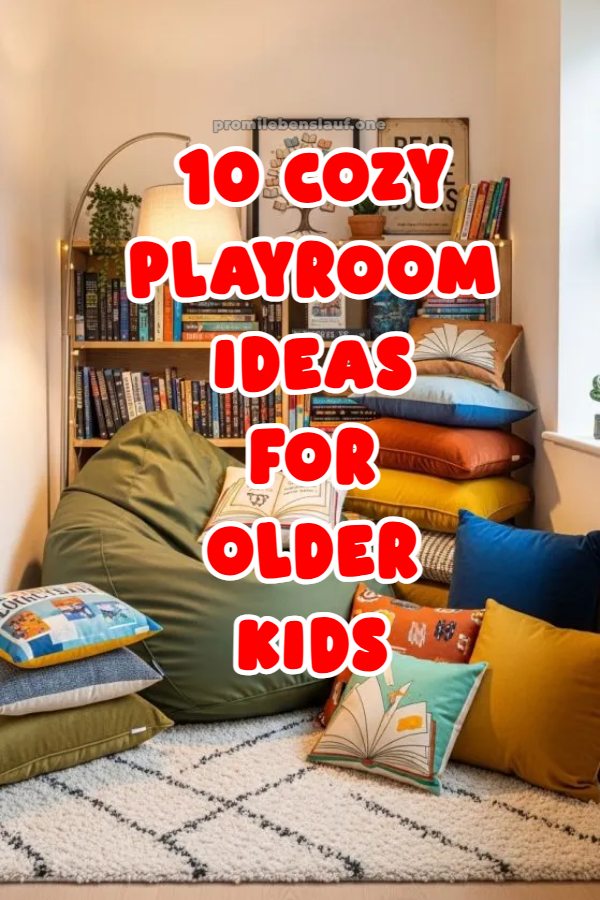
A reading nook provides a quiet corner where older children can relax and enjoy books. Choose a comfortable chair, bean bag, or small sofa. Add cushions and a soft rug to make the area inviting. Include a bookshelf or wall-mounted shelves to store books at their eye level.
Lighting is key for a reading nook. A floor lamp or adjustable reading light ensures that children can read without straining their eyes. Consider personalizing the space with posters or decorations that reflect their favorite books or themes. Adding a small side table for snacks or a water bottle makes the nook even more functional.
Preparation materials include books, a lamp, seating, and storage options. Encourage kids to organize books by genre or color, which makes the space engaging and visually appealing. This area fosters literacy, imagination, and independent thinking. A reading nook also provides a quiet escape from active play and helps children develop focus and concentration.

3. Indoor Sports Area
Older kids often have a lot of energy, so an indoor sports area is a great way to keep them active. You can include a mini basketball hoop, a small soccer goal, or a ping-pong table depending on the available space. Soft mats or foam tiles ensure safety during play.
Choose equipment that is age-appropriate and easy to store. Wall-mounted racks or hooks can hold balls, rackets, and other gear. Safety is important, so remove fragile items from the area and keep breakable furniture away.
Preparation materials include sports equipment, foam mats, and storage solutions. Encourage kids to set up small challenges or practice sessions. Indoor sports areas help improve coordination, fitness, and teamwork. They also provide a productive way for older kids to release energy without leaving the house. This setup can be adjusted as children grow or their interests change.

4. Music and Dance Corner
A music and dance corner encourages older kids to explore rhythm, movement, and self-expression. Set aside a section of the playroom for musical instruments such as a keyboard, guitar, or small drum set. Include a speaker system for playing music and a mirrored wall for practicing dance moves.
Consider storage for smaller instruments and accessories like tambourines, sheet music, or headphones. Floor space is essential for dance, so keep this area clear of furniture. Rugs or foam mats provide comfort while dancing and protect the floor.
Preparation materials include instruments, a music player, mats, and storage bins. Older kids can use this space to practice individually or with friends. Music and dance improve coordination, creativity, and confidence. This corner can also double as a performance space for family or friends, making it fun and interactive.

5. STEM and Science Zone
A STEM (Science, Technology, Engineering, Mathematics) zone inspires older kids to learn through experiments, building, and problem-solving. Equip the area with science kits, building blocks, and robotics sets. A sturdy table and storage shelves are essential for organizing materials.
Include items such as magnifying glasses, test tubes, or basic electronics kits. Clear bins or labeled containers keep parts organized. A whiteboard can help kids jot down hypotheses, ideas, or project instructions.
Preparation materials include STEM kits, building materials, storage containers, and a table. Encourage kids to plan projects, test ideas, and record observations. This type of space develops critical thinking, creativity, and technical skills. It also allows older children to explore subjects they are passionate about and gain confidence in hands-on learning.

6. Gaming and Digital Area
Older kids often enjoy digital games, so a gaming area can be a fun addition. Choose a small desk or table for a computer, gaming console, or tablet. Include comfortable seating such as a chair or bean bag. Cable management is important to prevent clutter and maintain safety.
Consider storage for games, controllers, and headphones. Wall shelves or drawers can help keep everything organized. A soft rug or mat adds comfort while sitting on the floor for multiplayer gaming.
Preparation materials include a gaming device, screen, comfortable seating, and storage solutions. Set rules for screen time to balance play with other activities. A gaming area improves hand-eye coordination, strategic thinking, and social interaction when playing multiplayer games. It can also serve as a space for digital creativity, such as designing game mods or streaming content.

7. Theater and Movie Corner
A theater or movie corner allows older kids to enjoy films and storytelling. Set up a projector or large TV with comfortable seating like a small sofa or bean bags. Add blackout curtains or blinds to control lighting and create a cinematic feel.
Consider a small shelf or cart for DVDs, streaming devices, and snacks. Surround sound or wireless speakers improve the experience. Encourage kids to create their own movie nights with friends or family.
Preparation materials include a TV or projector, seating, audio equipment, and media storage. This area fosters imagination and appreciation for storytelling. Older kids can discuss films, analyze plots, or even create short movies. It provides relaxation and entertainment while promoting social interaction and creative thinking.

8. Board Games and Puzzle Area
Board games and puzzles are excellent for older kids to develop strategy, critical thinking, and patience. Dedicate a table or low desk specifically for games. Shelves or drawers can store board games, cards, and puzzle sets.
Include comfortable seating and good lighting. Label shelves and boxes to make organization easier. Encourage rotation of games to keep the space interesting. You can also add a small bulletin board for tracking scores, schedules, or tournament rules.
Preparation materials include board games, puzzles, storage solutions, and seating. This space encourages family interaction, cooperative play, and problem-solving. Older kids learn social skills, negotiation, and strategic thinking. A dedicated games area provides both fun and educational value, making it a versatile part of any playroom.

9. Outdoor-Inspired Adventure Zone
For kids who love exploration, an outdoor-inspired adventure zone brings the outdoors inside. Add climbing walls, rope ladders, or a small indoor tent. Use mats or soft flooring for safety. Include nature-themed decorations, like plants, posters, or animal figures.
Consider areas for imaginative play, such as camping setups or treasure hunts. Storage for outdoor gear, like binoculars, flashlights, or explorer kits, keeps the space organized.
Preparation materials include climbing equipment, mats, storage bins, and decorative items. This zone encourages physical activity, problem-solving, and imagination. Older kids can role-play adventures, practice coordination, and explore creative storylines. Itโs a great way to combine movement, imagination, and learning in one engaging space.

10. Multi-Purpose Chill and Homework Zone
A multi-purpose area combines relaxation and study, making it ideal for older kids. Include a small desk for homework or projects and comfortable seating for reading or lounging. Storage solutions like cubbies or drawers help organize school supplies and personal items.
Add task lighting for focused work and ambient lighting for relaxation. Encourage kids to personalize the space with posters, art, or keepsakes. Include a small area with cushions or a hammock for quiet time.
Preparation materials include a desk, chair, storage, lighting, and soft seating. This area supports both productivity and downtime, helping older kids manage schoolwork and leisure activities in one space. A well-designed multi-purpose zone teaches responsibility, organization, and independence while keeping the room versatile and inviting.